
2025 ACvA Excellence in Cardiovascular Research Awards Finalists

Professor Clara Chow and team
Cardiovascular disease remains a leading cause of death in Australia. Even when patients survive hospitalization, many struggle post-discharge without adequate support. Hospital readmissions are common, particularly among underserved populations including those in rural areas and Aboriginal and Torres Strait Islander communities. The gap between clinical care and patient self-management costs lives.
Professor Clara Chow and the Westmead Applied Research Centre (WARC) Digital Health Team have spent a decade translating research into real-world solutions. Their work demonstrates the true meaning of research translation: taking evidence from rigorous trials and transforming it into tools that improve patient care. Through co-design with patients and clinicians, they developed digital health interventions including mobile apps, SMS programs, wearables, and AI.
HeartHealth provides tailored text messages to cardiovascular patients post-discharge, reducing healthcare utilization. MICArdiac uses wearable data and machine learning to improve blood pressure self-management. Western Sydney Local Health District embedded these programs into routine care for over 10,000 cardiology patients, achieving a 10-20% reduction in repeat hospitalizations.
This work exemplifies how rigorous research, when effectively translated, can bridge the gap between evidence and practice, transforming healthcare delivery for all Australians.
Professor Chow is a Professor of Medicine, and Academic Director of the University of Sydney’s Westmead Applied Research Centre WARC, as well as a Cardiologist at Westmead Hospital.

Professor Francine Marques and team
Over one billion people worldwide live with high blood pressure, including one in three Australian adults. Despite medications, two-thirds of hypertensive patients in Australia have uncontrolled blood pressure. For decades, clinicians observed that high-fiber diets lowered blood pressure, but no one understood why. Without mechanistic insights, developing new treatments remained impossible.
Professor Francine Marques and her team at Monash University uncovered the answer. Their preclinical research published in Circulation (2017, 2020) revealed that gut microbes break down dietary fiber, releasing powerful blood pressure-lowering substances called short-chain fatty acids (SCFAs). They proved SCFAs worked in animal models, but the critical question remained: would they work in humans?
In 2023, the team published the world's first clinical evidence in Nature Cardiovascular Research. Their randomized, double-blind trial using HAMSAB (an engineered fiber designed to release high levels of SCFAs) achieved a 6.1 mmHg reduction in blood pressure within three weeks, equivalent to one antihypertensive medication. The intervention costs less than $20 monthly, requires no refrigeration, and achieved 93% patient compliance.
From discovery to clinical proof in seven years, this work demonstrates how rigorous translational research can create practical, affordable solutions for millions living with uncontrolled hypertension.
Professor Marques is the Head of the Hypertension Research Laboratory at Monash Univeristy, an NHMRC Emerging Leader Fellow (EL2), a Senior Medical Research Fellow of the Sylvia and Charles Viertel Charitable Foundation, a National Heart Foundation Future Leader Fellow and Deputy Director (Discovery) at the Victorian Heart Institute.
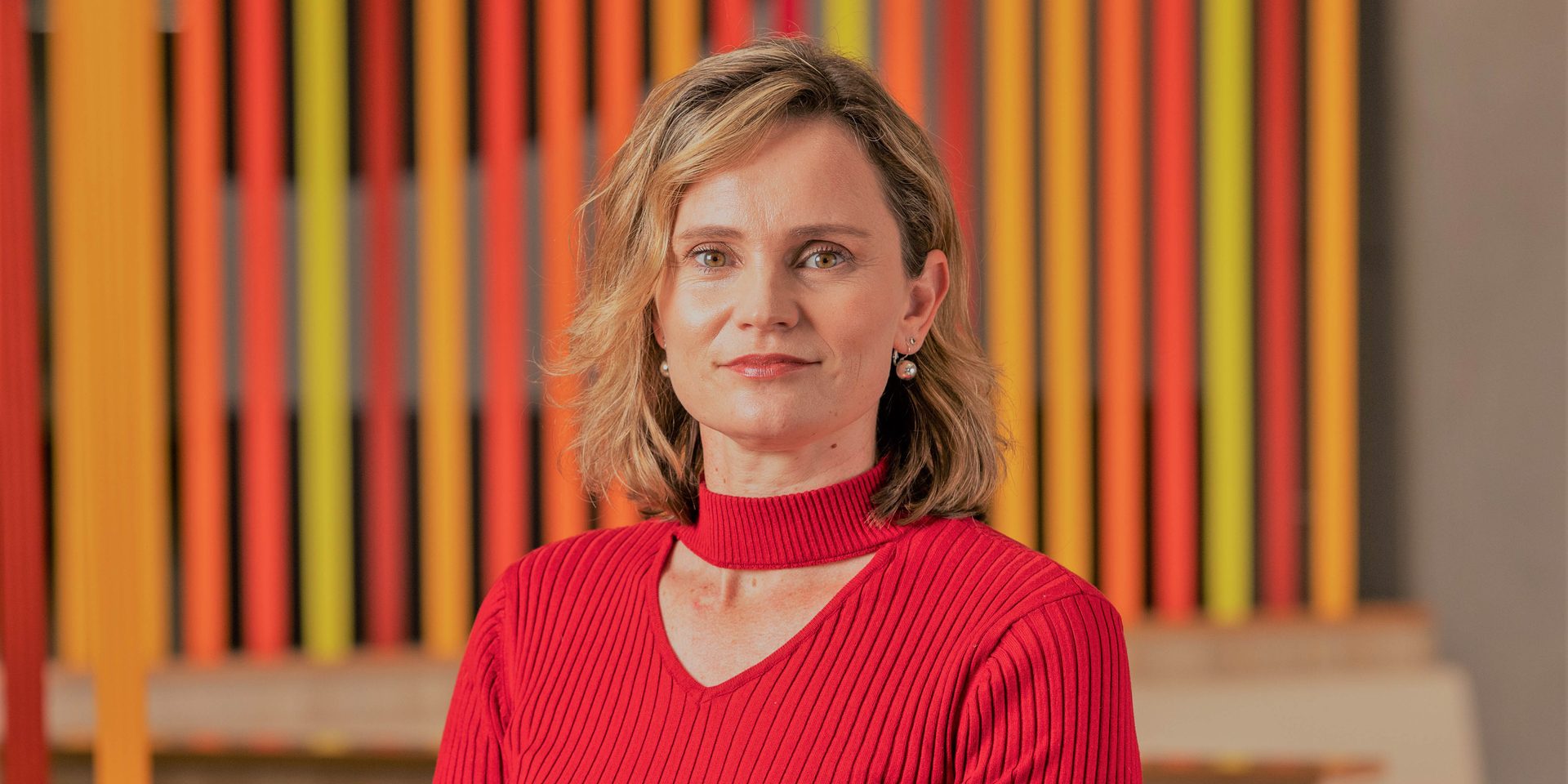
Professor Alta Schutte
Hypertension is the leading modifiable risk factor for cardiovascular disease and premature death in Australia. We have effective treatments. Yet only one-third of Australians with high blood pressure have it under control. Many don't even know they have it. This detection and treatment gap costs lives.
Professor Alta Schutte recognised that closing these gaps required more than additional research. It demanded coordinated action across the entire health system. As co-chair of the National Hypertension Taskforce, she brought together researchers, clinicians, government, and industry to develop Australia's Hypertension Roadmap, a strategic plan endorsed by key stakeholders with an ambitious goal: achieve 70% blood pressure control by 2030.
Her translational approach transforms how Australia detects and treats hypertension. Through NHMRC and MRFF-funded trials, she is implementing innovative delivery models: a public screening campaign to detect and manage raised blood pressure in community settings like Bunnings warehouses (Shop-to-Stop Hypertension) and remote monitoring with wearable devices in primary care (NEXTGEN-BP). Her work includes contributing to research demonstrating that potassium-enriched salt substitutes lower blood pressure (SALT Trial). These real-world implementation studies are designed to identify scalable solutions that work where Australians live, shop, and work.
Her work has directly influenced national and international guidelines, including the 2020 ISH Global Hypertension Guidelines and WHO Global Reports. Professor Schutte exemplifies how research becomes practice, transforming cardiovascular care for all Australians.
Professor Schutte holds the SHARP Professorship and leads the Cardiac, Vascular and Metabolic Medicine theme at UNSW Sydney, while also serving as a Professorial Fellow at The George Institute for Global Health.
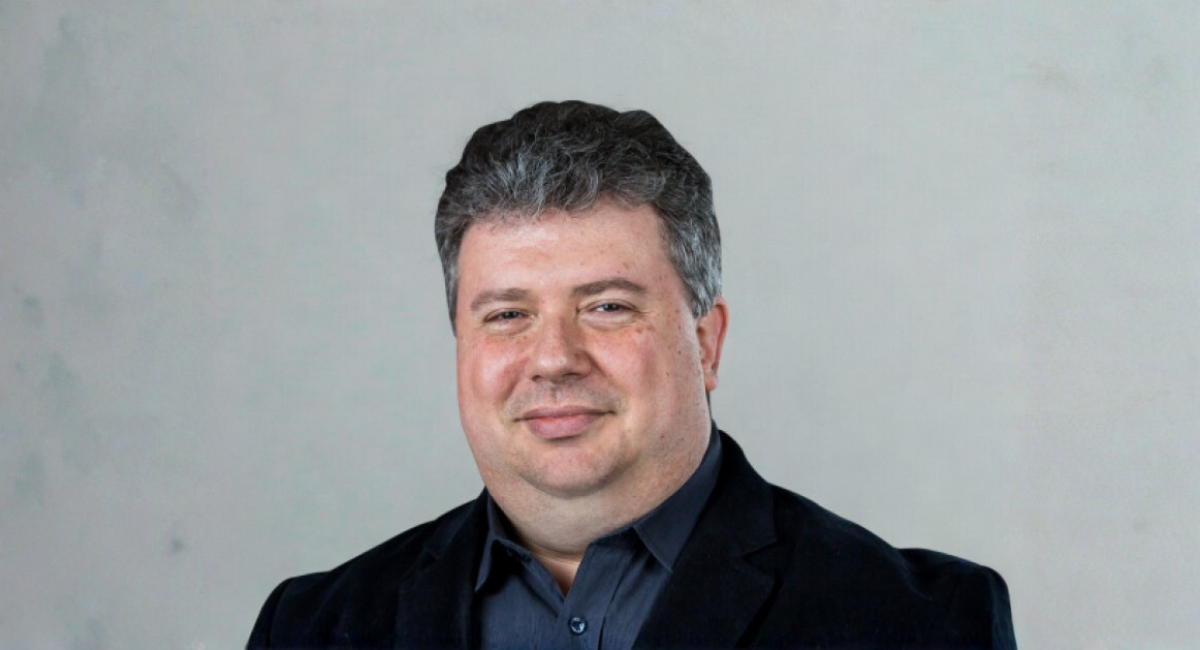
Professor Leonid Churilov
Behind every successful clinical trial is rigorous statistical design. Behind Australia's thriving stroke trial workforce is Professor Leonid Churilov.
For 15 years, Professor Churilov has mentored cardiovascular researchers across Australia and internationally, teaching them not just statistical methods but statistical thinking. As Professor of Biostatistics at the University of Melbourne and Head of Biostatistics for the Australian Stroke Alliance, he has supervised 14 PhD and 7 Masters students to completion, with 21 more currently under his guidance. His mentees have moved into industry roles, established research careers, and become clinician-scientists, with achievements including NHMRC fellowships, Heart Foundation awards, and even a Canada Research Chair in Stroke.
What distinguishes Professor Churilov is his accessibility. He responds to emails within a day, makes time for "quick" phone calls that turn into rich learning conversations, and teaches complex statistical methods with patience and clarity. He doesn't just analyze data. He teaches mentees to design projects from the ground up, avoiding pitfalls before they occur.
He has been key advisor for over 50 funded stroke trials, with more than 10 published under his statistical leadership in the New England Journal of Medicine, The Lancet, and JAMA. Through his mentorship, Australia has become one of the world's leading destinations for stroke clinical trial research.
Professor Churilov is a professor of Biostatistics at Melbourne Medical School, University of Melbourne.
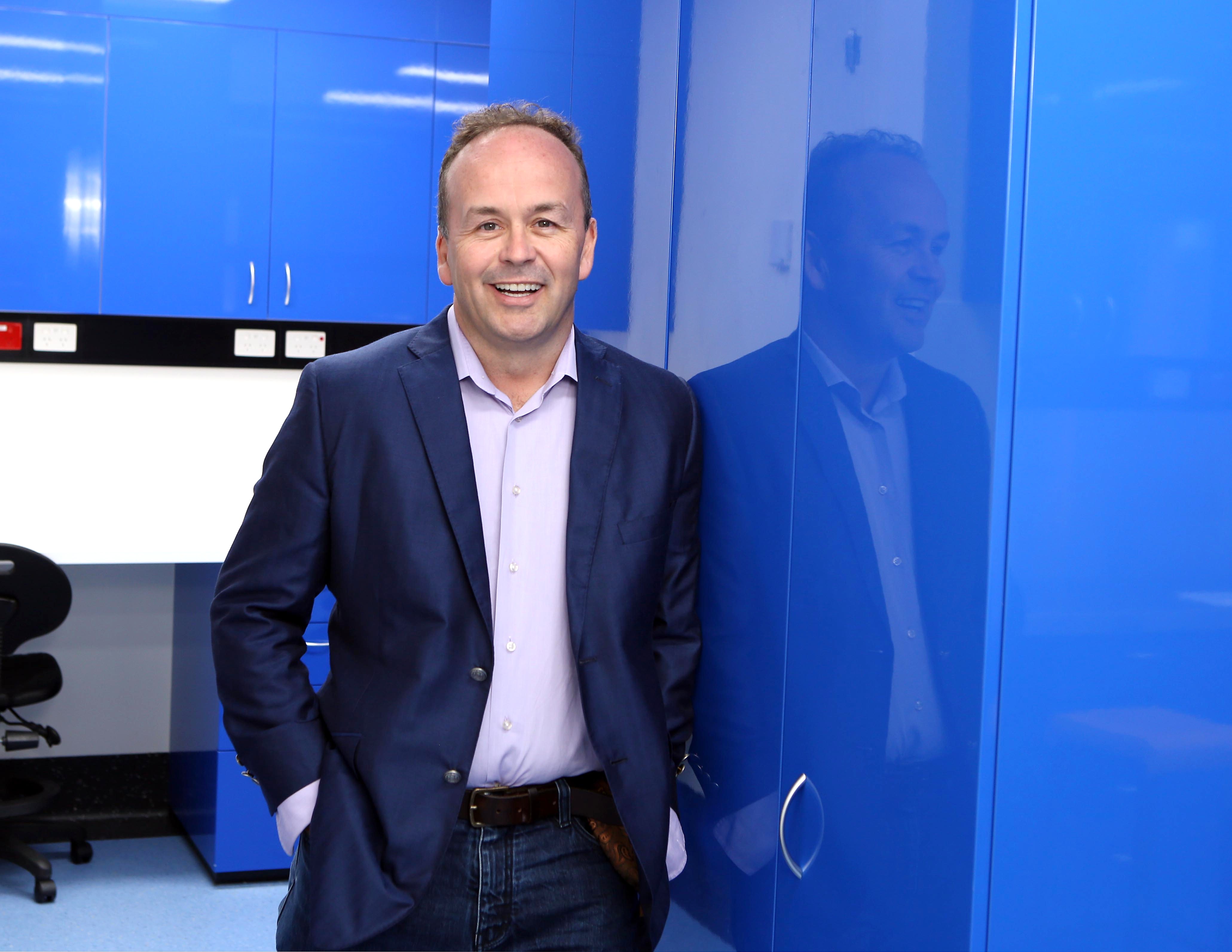
Professor John Fraser
Twenty years ago, Professor John Fraser founded the Critical Care Research Group at The Prince Charles Hospital in Brisbane. What began as a research hub has become something far more significant: a global incubator for cardiovascular research leaders.
A globally recognised scientist with over 800 publications and $150 million in competitive research funding, Professor Fraser co-founded the BiVACOR Total Artificial Heart, led international trials for preserving donor hearts, and created the world's largest COVID-19 ICU database. But his greatest legacy may be the people he's mentored along the way.
Professor Fraser has mentored over 110 individuals from every corner of the world, including trainees from underrepresented regions like Kenya, Estonia, and the Middle East. Under his guidance, 60 fellows have completed PhDs. Collectively, his mentees have published more than 1,000 articles and secured over $100 million in research funding. Many now hold prominent positions worldwide, from directing university centres to advising NASA, from leading departments in Switzerland to pioneering research in Africa.
What distinguishes Professor Fraser is his selfless approach. He gives first authorship opportunities to early career researchers, advocates for scholarships in low-resource settings, and created awards to recognize overlooked contributors. His mentees learn resilience, collaboration, and compassion, joining a global network united by improving cardiovascular outcomes for patients everywhere.
Professor Fraser is Founder/Director of the Critical Care Research Group at The University of Queensland, Director of Intensive Care at St Andrew's War Memorial Hospital.
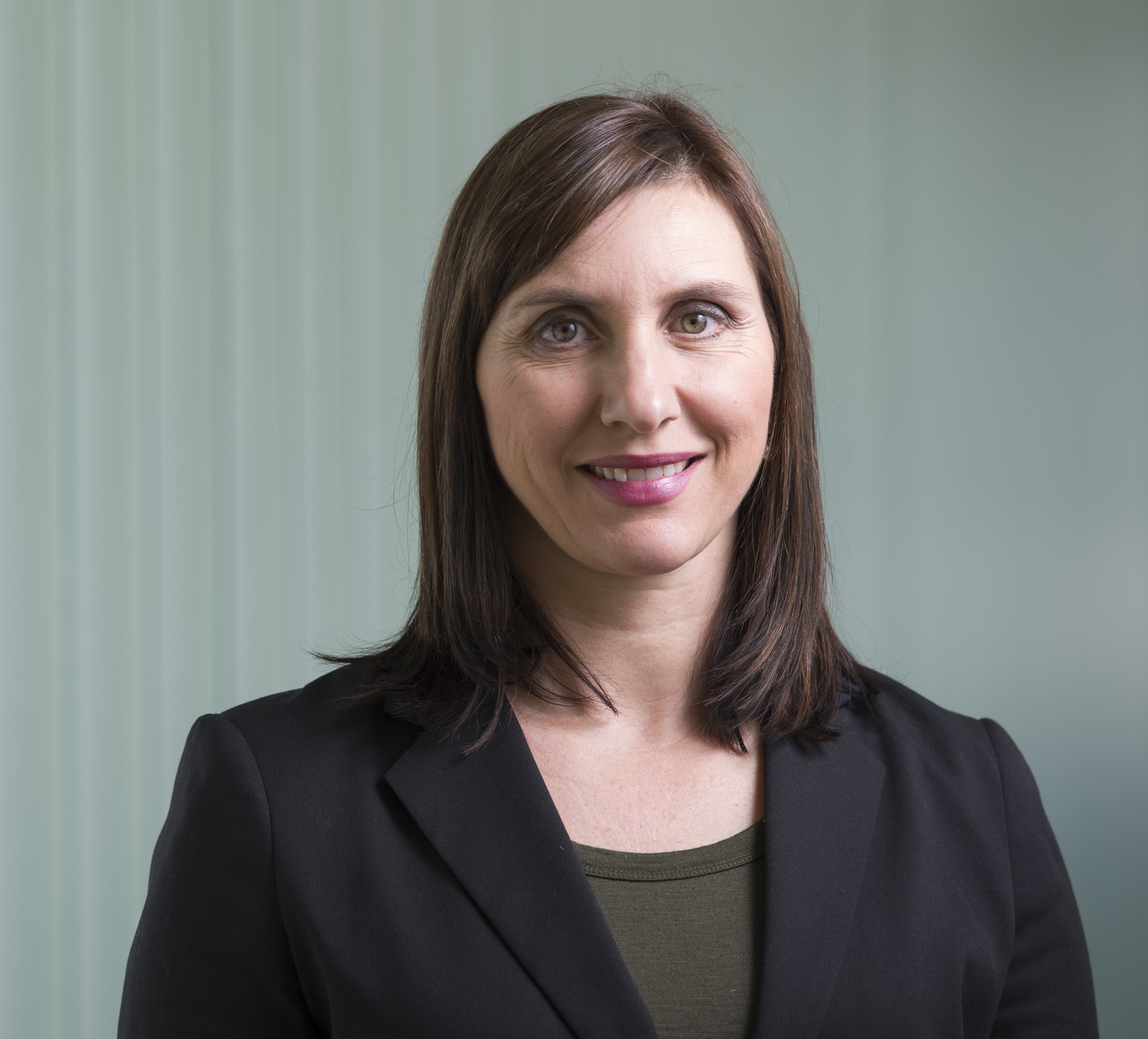
Professor Dominique Cadilhac
Great mentors don't just supervise research. They transform careers, open doors, and build confidence that lasts lifetimes. For over 30 years, Professor Dominique Cadilhac has done exactly that, creating pathways for the next generation of stroke researchers across disciplines and career stages.
As Co-Director of the Stroke and Ageing Research Group at Monash University, Professor Cadilhac has mentored more than 30 early and mid-career researchers and supervised 28 graduate students to completion. Her mentees have secured prestigious NHMRC and Heart Foundation fellowships, won over 20 national and international awards, and published 155 papers together, with 78% as first authors. Many now hold Category 1 grants and leadership positions across Australia's stroke research network.
What sets Professor Cadilhac apart is her commitment to the whole person. She actively creates opportunities for mentees to lead, nominating them for committees, editorial roles, and international collaborations. She champions work-life balance, enabling researchers to thrive without compromising family commitments. Her approach is deeply interdisciplinary, supporting doctors, nurses, allied health professionals, and public health researchers equally.
From her 25 years mentoring stroke clinicians to transforming data analysts into independent researchers, Professor Cadilhac exemplifies mentorship that changes lives and builds the future of cardiovascular research.
Professor Cadilhac is the Co-Director (Research Lead) of Stroke and Ageing Research and Deputy Director of the Victorian Heart Institute, Monash University. She is also the head of Public Health and Health Services Research, Stroke and Critical Care Research Theme at the Florey Institute, as well as the Executive Director of the Australian Stroke Clinical Registry and President of the Australian and New Zealand Stroke Organisation.
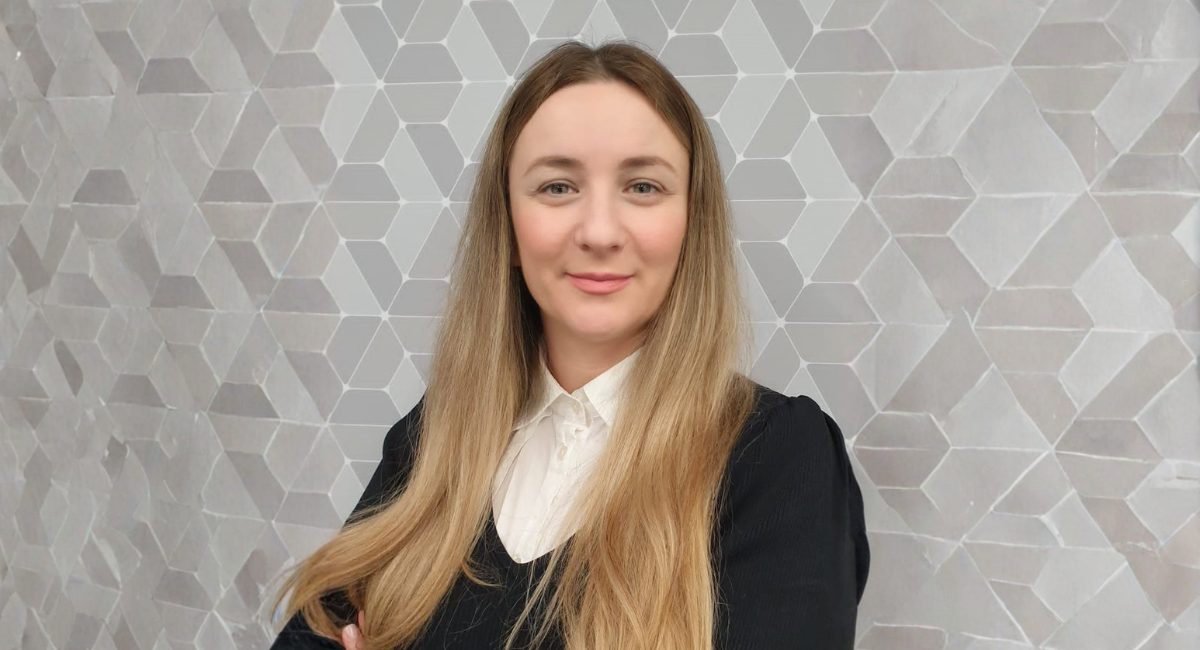
Dr Stella Talic and team
Cardiovascular disease remains Australia's leading cause of death. Despite effective medications, up to half of all patients stop taking them, causing preventable heart attacks and strokes. Current tools only detect the lack of adherence after it's too late.
Dr Stella Talic and her team at Monash University have pioneered Australia's first clinical decision-support tool that predicts how patients' medication behaviour will change over time. The innovation lies not just in the predictive analytics, but in how the team integrates behavioural and systems science with advanced modelling. They mapped behavioural, psychological, and health-system barriers directly to specific adherence trajectories such as early discontinuation, gradual decline, and rapid decline, enabling precision interventions tailored to individual patient profiles.
Equally transformative is the translation pathway. Through extensive co-design with patients and GPs, the team is currently developing new strategies and recommendations grounded in lived experience and ready for real-world implementation.
Funded by the MRFF Cardiovascular Mission, this work positions Australia as a global leader in digital adherence intelligence. The tool will soon be trialed in primary care to test feasibility and usability in optimising medicine use and adherence, with potential to transform chronic disease management across multiple conditions.
Dr Talic is Head of the Pharmacoepidemiology Research Group and Senior Lecturer in Clinical Epidemiology at the School of Public Health and Preventive Medicine, Monash University.
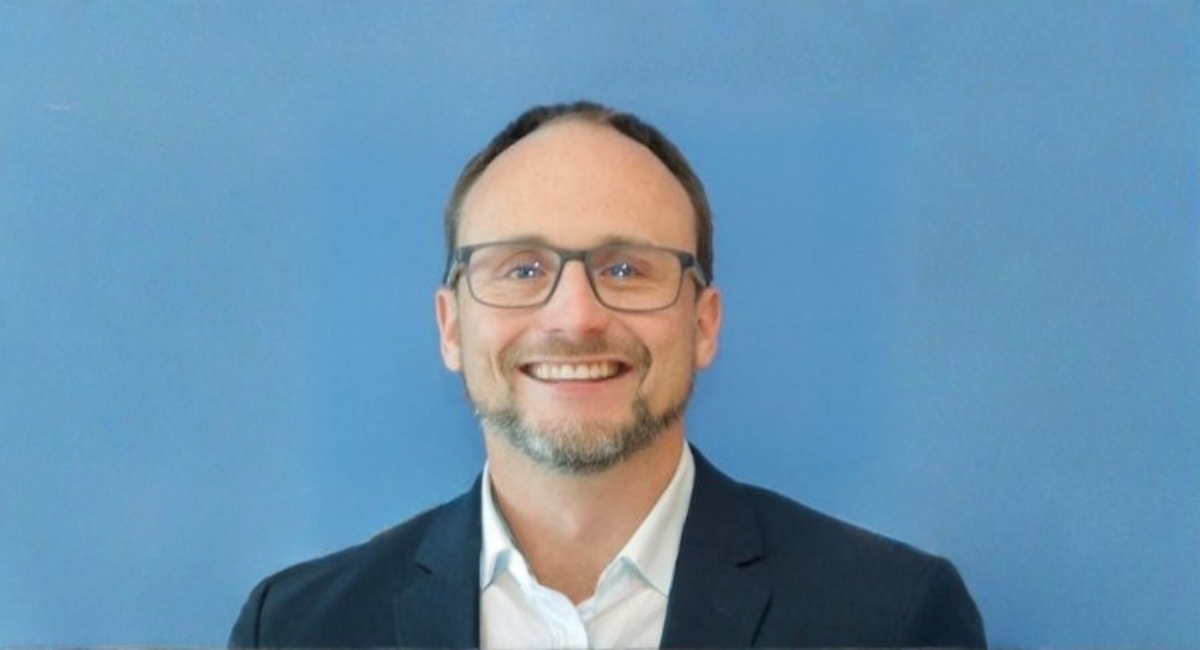
Dr Daniel Beard and team
Every year, over 15 million people worldwide experience a stroke. For many, survival depends on a desperate race against time—reaching hospital quickly, undergoing scans, receiving clot-removal therapy within impossibly narrow windows. For stroke patients in rural and remote communities, the journey to specialist care can take many hours or more. By the time they arrive, it's often too late.
Dr Daniel Beard refused to accept this reality. As Senior Lecturer at the University of Newcastle and Chief Scientific Officer of biotech spinout ShearFlow, he asked a different question: what if we could buy time for the brain?
His team discovered that during stroke, the brain's hidden backup vessels experience shear stress six times higher than normal as they reroute blood around blockages. Dr Beard engineered smart nanoparticles that sense this unique environment and release nitroglycerin precisely where needed, widening collaterals to surge blood flow to threatened brain regions.
Published in Advanced Science (2025), this therapy doesn't just save minutes—it buys hours. Deliverable by paramedics or in rural hospitals, it could transform outcomes for millions worldwide.
Dr Beard is a Senior Lecturer at the University of Newcastle and Group Leader of the Neurovascular Research Laboratory. He is also Chief Scientific Officer and co-founder of ShearFlow.
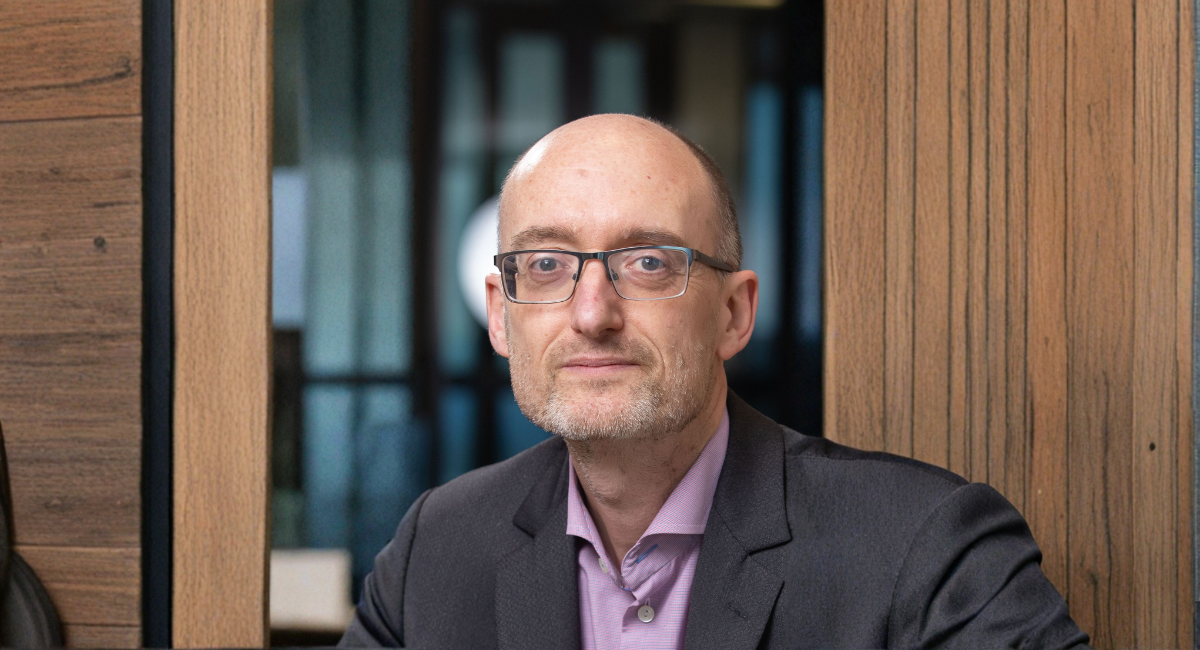
Professor Anthony Rodgers and team
Hypertension is a global health crisis. Over one billion people worldwide live with high blood pressure—a major risk factor for cardiovascular disease, kidney disease and dementia. In Australia, one in three adults has hypertension. Yet despite decades of effective medications, only 32% of Australians achieve blood pressure control. Globally, the numbers are even worse. This treatment gap represents thousands of preventable deaths annually.
Professor Anthony Rodgers and his team at The George Institute for Global Health developed a game-changing solution. Instead of the traditional approach—starting with one medication, then gradually adding others over months—their polypill, GMRx2, delivers three blood pressure medications in a single tablet from day one. The innovation lies in using carefully calibrated low doses that maintain full efficacy while eliminating most side effects.
The team demonstrated safety and effectiveness in international Phase III trials published in JACC and The Lancet. Professor Rodgers initiated trials in Nigeria showing GMRx2's superiority to standard care, and leads a non-profit medicines access venture ensuring affordability in low- and middle-income countries. A large international trial showed a significant 38% reduction in stroke in people with a history of haemorrhagic stroke.
In June 2025, GMRx2 became the first FDA-approved polypill for hypertension and joined the WHO Essential Medicines List. From Australia to the world.
Professor Rodgers is a Senior Professorial Fellow at the George Institute for Global Health.
How to Nominate for an Award with Us
These national awards span three distinct categories and are open to researchers at all career stages, covering the full breadth of cardiovascular and stroke research. We invite you to help us shine a light on this vital work. Nominate yourself, your colleagues, or your peers—and be part of recognising the exceptional research taking place across Australia.
Eligibility Criteria
Awards are open to all sector researchers — ACvA membership is not required.
By applying, nominees consent to the use of their profile photo, bio, and application quotes for promotions.
Nominees agree to participate in promotional activities related to the Awards, if requested.
Review each Award for specific eligibility and conditions.
Check our FAQ below before applying.
Nomination Process and Timeline for 2026
FAQs
Find answers to common questions about our organization and services.
Yes, you can enter or be nominated for the same award again this year unless you were the winner. Just make sure that the application is updated to adhere to any of the guidelines. NB The Game Changer Award is specific to innovative/transformative work that are current over the past 24 months.
Yes, you can be nominated for or enter that same award again, making sure your application adheres to the relevant guidelines.
Yes, you’re welcome to apply for or be nominated for awards concurrently.
You can self-nominate for the Game Changer and Translation Awards.
You CANNOT self-nominate for the Mentorship Award.
Email us at acva@ozheart.org with any questions you have. We are happy to help!
Still have questions?
We're here to help you!
Join Us in Making a Difference
Join our communityBe part of a national community shaping cardiovascular and stroke research. Get involved today.